The Ultimate Travel Photography Checklist: Capture Your Adventures Perfectly
Table of Contents
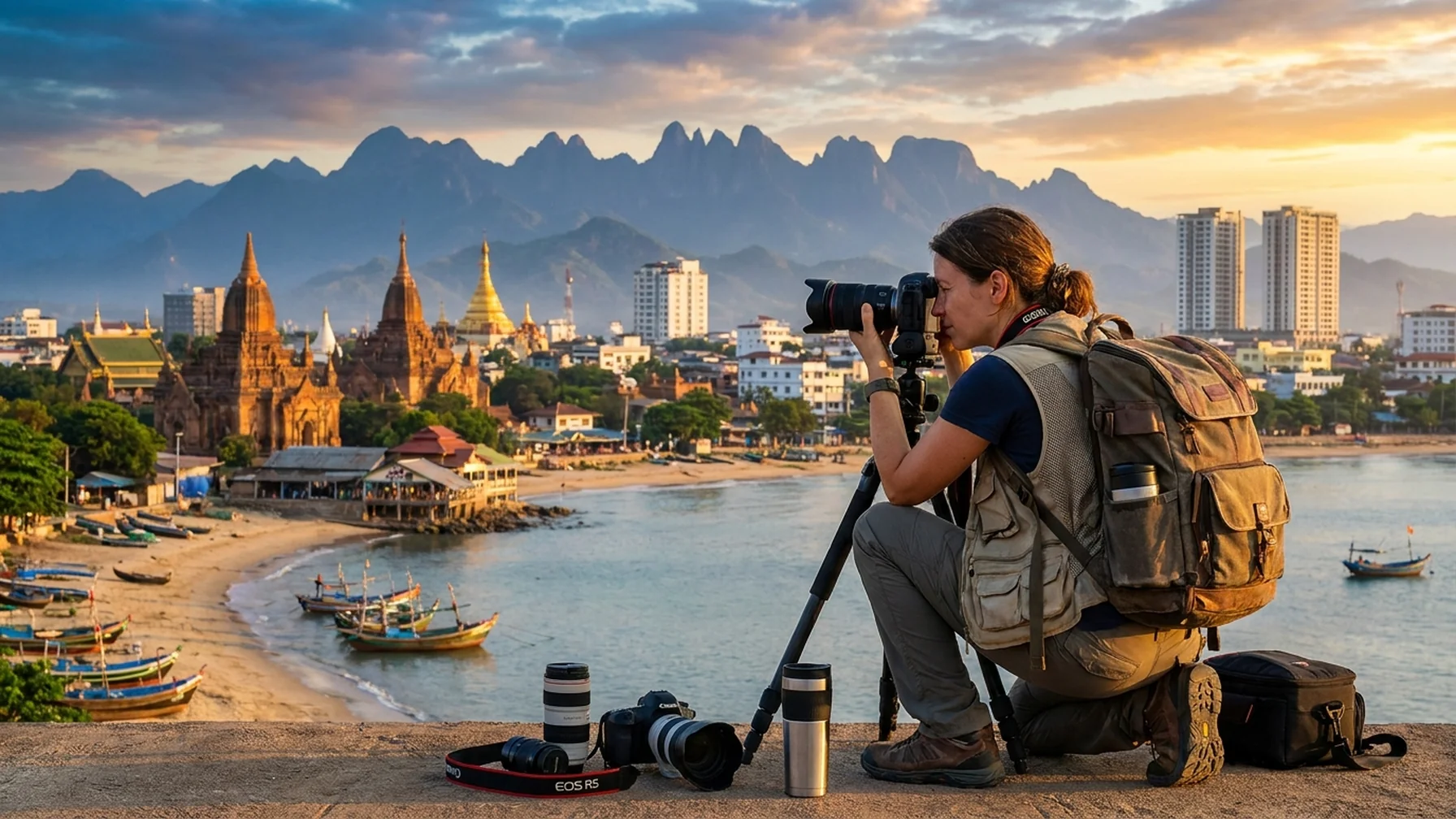
Travel photography blends the excitement of exploration with the art of capturing unique moments. To ensure you have everything needed for a successful photo journey, use this ultimate travel photography checklist. Whether you're a novice or an experienced adventurer, these insights will guide you in taking stunning photos, selecting equipment, and editing like a professional.
Essential Gear for Travel Photography
Your gear is crucial for capturing high-quality images. Here’s what you need to consider when packing for your trip:
- Camera: Opt for a mirrorless camera. They are compact and offer excellent image quality.
- Lens: Bring a versatile lens, like an 18-55mm, for general use. A wide-angle lens is ideal for landscapes.
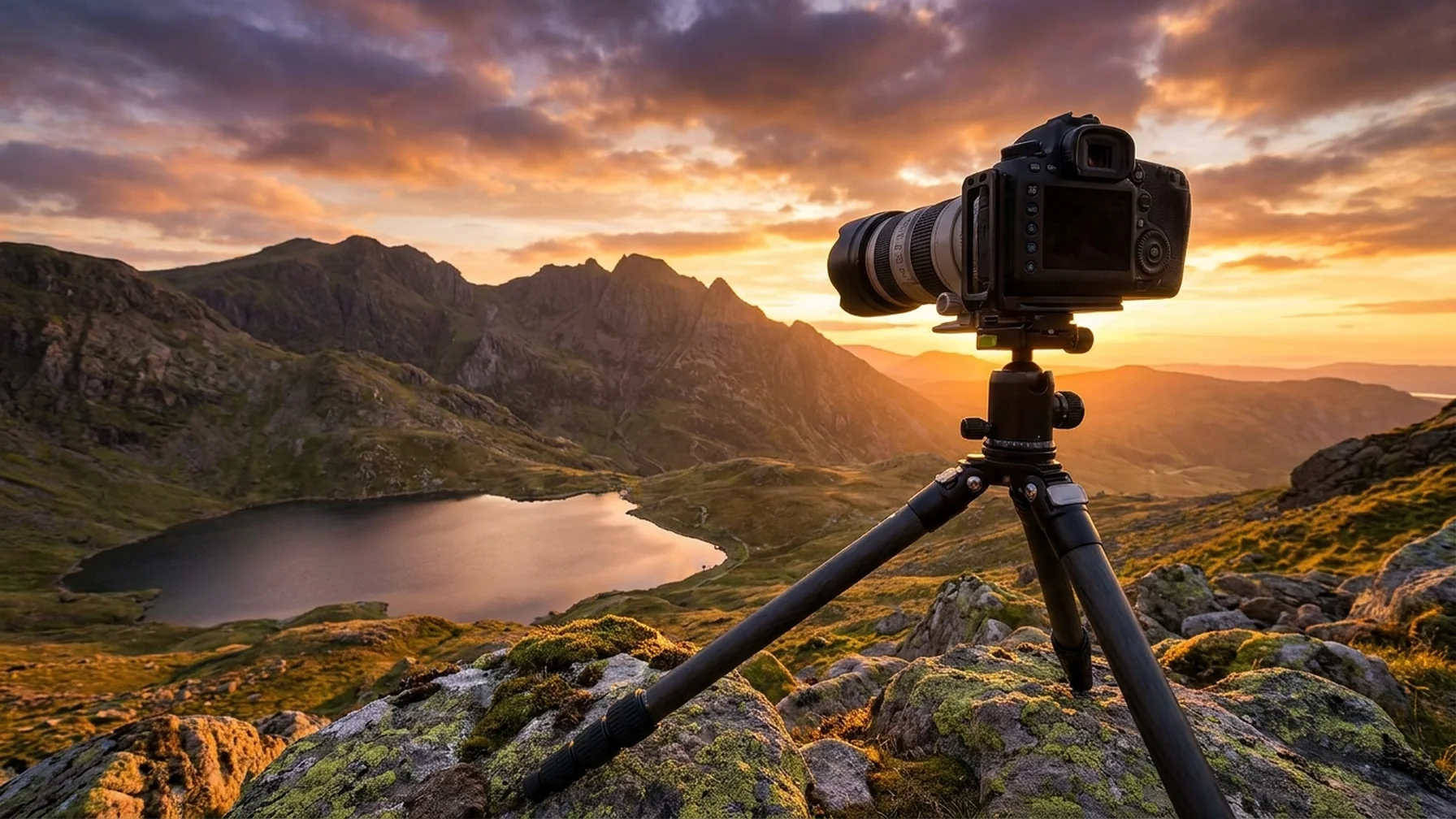
- Tripod: A lightweight tripod is essential for night photography and capturing sharp photos.
- Extra Batteries and Memory Cards: Always carry spares to avoid missing out on great shots.
- Lens Cleaning Kit: Keep your lens clean and free of dust.
- Camera Bag: A protective bag to carry and organize your gear.
- Editing Software: Tools for post-processing your images.
- Travel Insurance: Coverage for your gear and travel-related issues.
Having the right equipment ensures you’re ready for any photographic opportunity. If you’re on a budget, consider renting gear for your trip.
Mastering the Golden Hour and Night Photography
The golden hour, shortly after sunrise or before sunset, offers soft, warm light that enhances your photos. To make the most of this magical time, follow these steps:
- Scout Locations: Arrive early to find the perfect spot and compose your shot.
- Set Up Your Tripod: Ensure stability as the light decreases. This is vital for night photography too.
- Experiment with Long Exposures: Capture stunning skies and motion by adjusting your exposure settings.
To better understand how different settings affect your shots, here's a quick reference for golden hour and night photography:
Quick Reference Table:
| Condition | Recommended Setting |
|---|---|
| Golden Hour | Low ISO, Wide Aperture (f/2.8–f/4), Shutter Speed 1/100s–1/250s |
| Night Photography | High ISO (1600+), Narrow Aperture (f/8–f/11), Long Exposure (10s+) |
Golden hour and night photography can dramatically improve your travel albums. Being prepared and patient is key to capturing these beautiful moments.
Mastering Camera Settings for Travel Photography
Understanding your camera settings is crucial for capturing the best photos. Here’s a quick guide:
- Aperture: Control the depth of field. A lower f-stop (e.g., f/2.8) blurs the background, while a higher f-stop (e.g., f/11) keeps everything in focus.
- ISO: Adjust the ISO based on lighting conditions. Use a lower ISO for bright environments and increase it in low light.
- Manual Mode: Practice using manual mode to have full control over your shots. This mode allows you to adjust settings like shutter speed, aperture, and ISO.
Experimenting with different settings will help you take sharp and well-exposed images. It’s a good idea to practice before your trip to become comfortable with these settings.
Composition Techniques for Captivating Travel Photos
Composition can make or break a photo. Here are some rules to keep in mind:
- Rule of Thirds: Divide your frame into thirds both horizontally and vertically, and place the subject along these lines.
- Leading Lines: Use natural lines to guide the viewer’s eye to the subject.
- Framing: Use elements like arches or trees to frame the subject, adding depth to the photo.
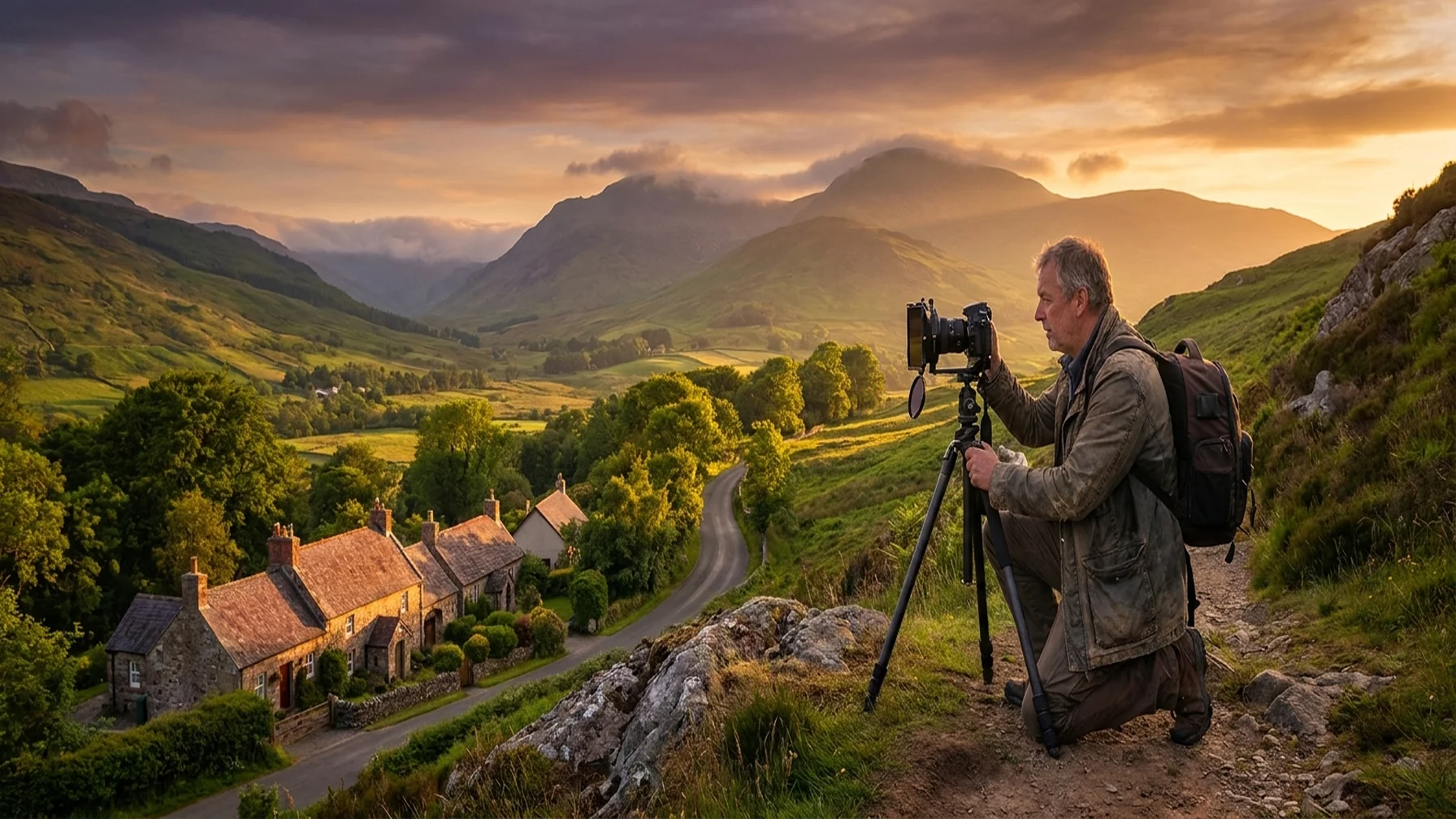
For example, use a path leading into a picturesque village as a leading line or frame a historic building with overhanging branches. These techniques create dynamic and engaging photos. Remember, rules are meant to be broken, so feel free to experiment!
Editing Travel Photos to Perfection
Editing is an essential part of the photography process. Use these tips to enhance your images:
- Photo Editing Apps: Apps like Lightroom and Snapseed offer powerful tools for editing on the go.
- Adjust Basic Settings: Enhance exposure, contrast, and saturation to make your photos pop.
- Crop and Straighten: Ensure your horizon lines are straight and crop to improve composition.
Editing allows you to highlight the best aspects of your photos. Spend time experimenting with different tools to develop your style.
Final Tips for Travel Photography Beginners
For those new to travel photography, here are some additional tips to get started:
- Practice: Take photos regularly to improve your skills.
- Research: Look up iconic locations and compositions before visiting.
- Be Patient: Wait for the right moment to capture the perfect shot.
Travel photography is a rewarding hobby that captures the essence of your adventures. With this ultimate travel photography checklist, you’ll be well-prepared to document your journey beautifully.