Mastering Slow Travel Photography Techniques
Table of Contents
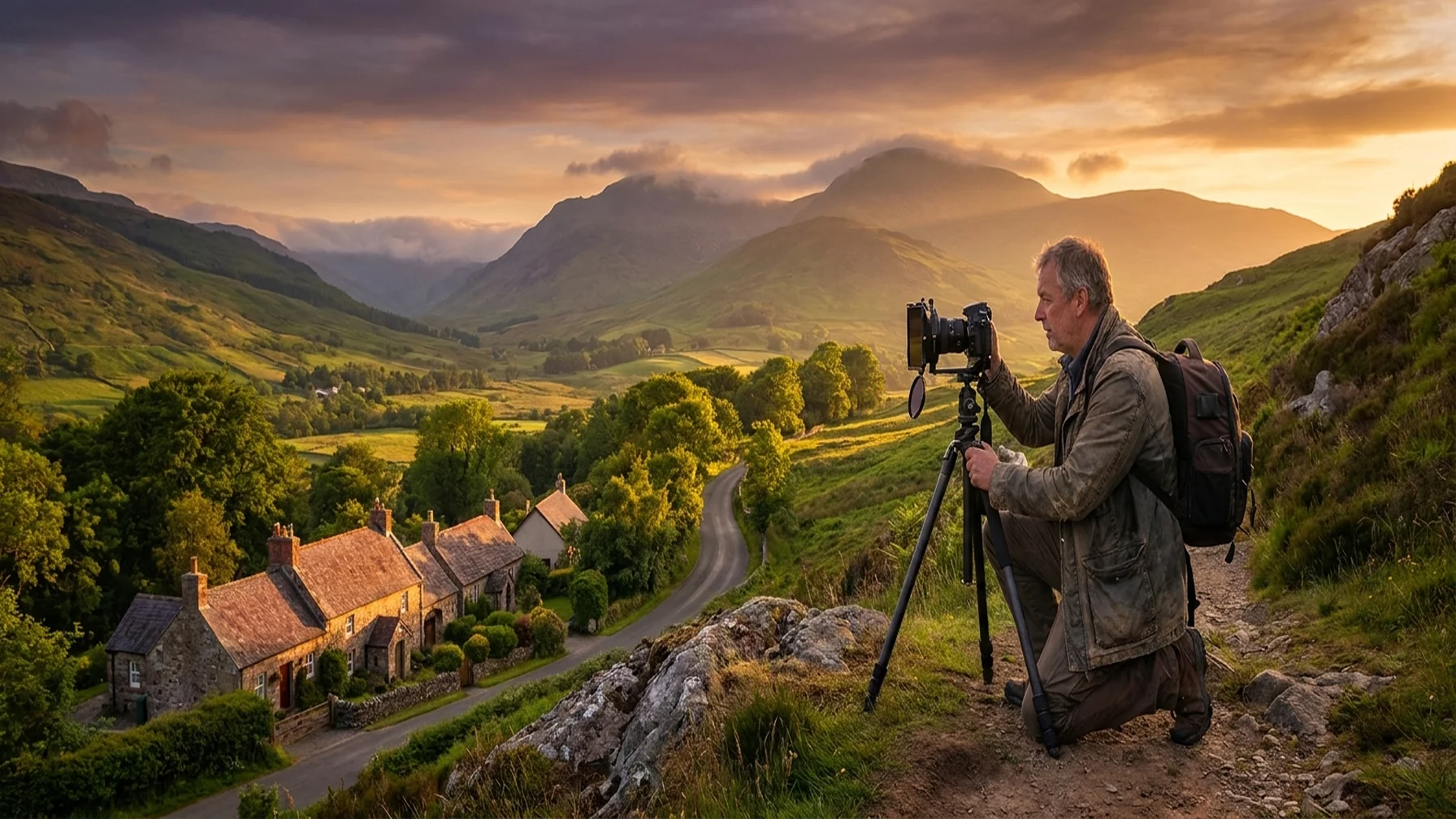
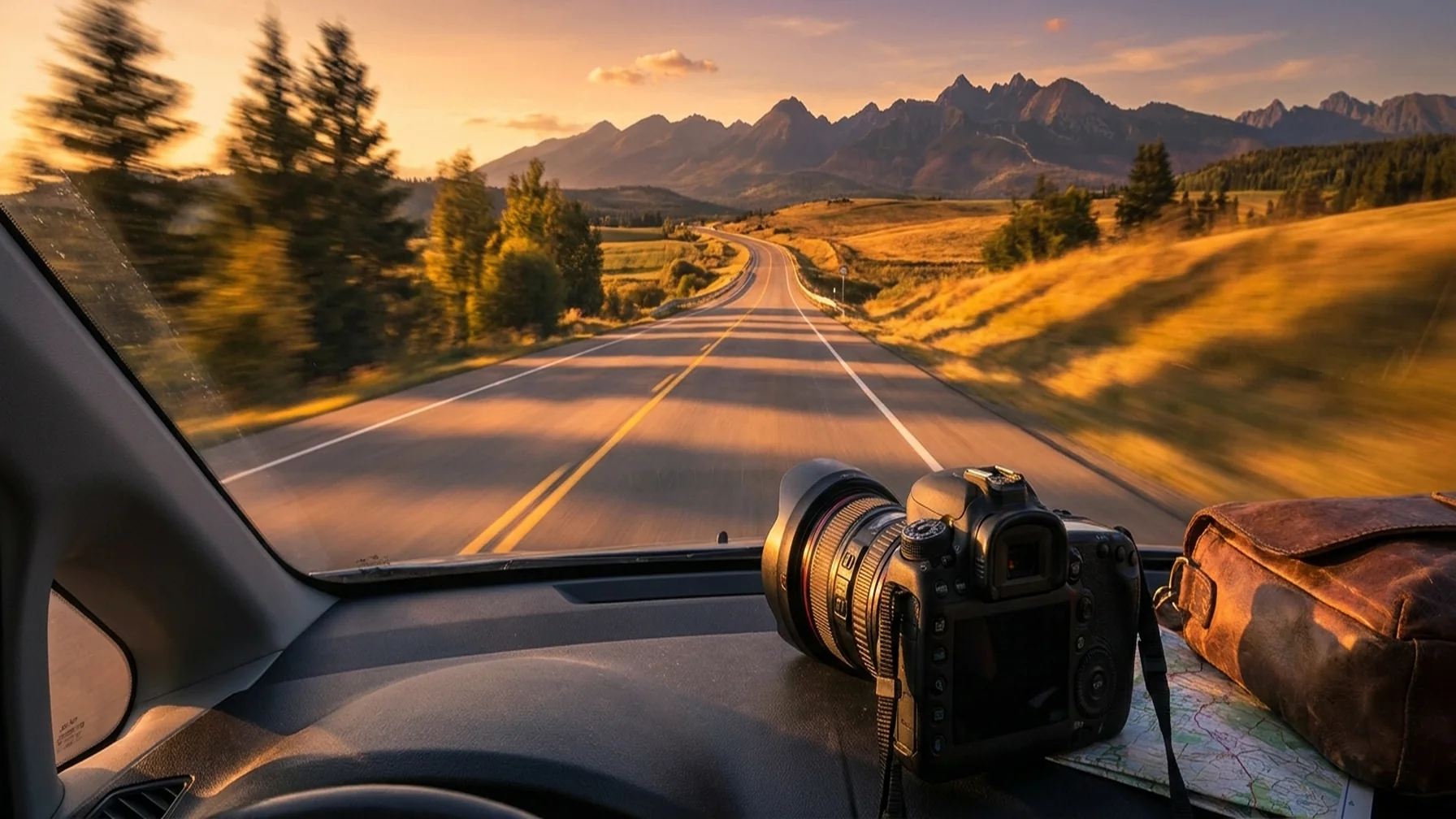
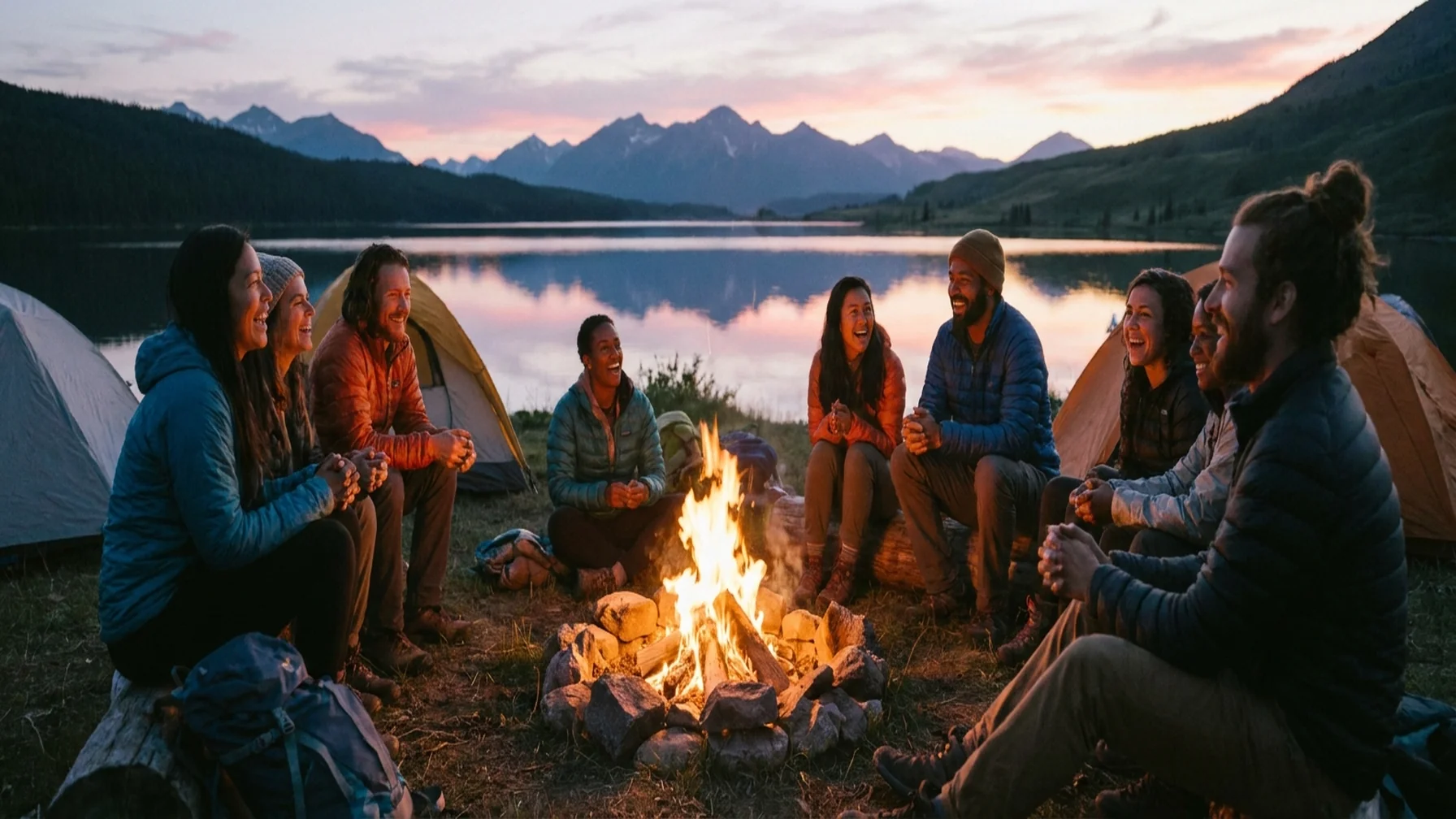
In today's fast-paced travel photography scene, adopting slow travel photography techniques can significantly enhance your images. This mindful approach allows you to connect deeply with your surroundings and capture the essence of a place. Whether you're a beginner or an experienced photographer, these techniques can elevate your travel photography journey. Slow travel photography encourages spending more time in one place, observing details, and engaging with local culture, resulting in richer images that tell a story.
Choosing the Right Camera for Slow Travel Photography
Selecting the right camera is crucial for mastering slow travel photography. A lightweight and versatile camera is ideal for travel. Mirrorless cameras are popular due to their compact size and interchangeable lenses. When choosing a camera, consider features like low-light performance, fast autofocus, and durability. The Sony Alpha series, for example, offers excellent image quality, while the Fujifilm X-series is celebrated for its vibrant colors.
Understanding Camera Settings
To capture stunning travel photos, it's essential to understand your camera settings. Here are some key settings to focus on:
- Aperture: Controls the depth of field. A wide aperture (small f-number) creates a blurred background, perfect for portraits.
- ISO: Affects the camera's sensitivity to light. Higher ISO is useful in low-light conditions, but can introduce noise if too high.
- Shutter Speed: Determines exposure time. Use fast speeds to freeze action and slow speeds for motion blur effects.
Experimenting with these settings in manual mode can improve your skills, allowing for creative control. For instance, using a slow shutter speed to capture a bustling street market can convey the scene's energy.
Mastering Composition Rules
Composition is a vital element in photography. Employing composition rules like the rule of thirds, leading lines, and framing can significantly enhance your travel photos. These techniques guide the viewer's eye and add depth to images. For example, using leading lines like a winding path can draw the viewer into the scene, while framing a subject with a natural archway adds context.
Techniques for Slow Travel Photography
To master slow travel photography, adopt a mindful approach. Here are steps to enhance your skills while traveling at a leisurely pace:
- Research your destination for unique locations and cultural hotspots that inspire you.
- Plan photography sessions during golden hours to embrace natural light.
- Engage with locals and immerse yourself in the environment to capture genuine moments.
The following table outlines various slow travel photography techniques along with brief descriptions for effective implementation.
Table: Slow Travel Photography Techniques
| Technique | Description |
|---|---|
| Long Exposure | Capture motion blur using slow shutter speed. |
| Minimalist Composition | Simplify photos by focusing on one subject with negative space. |
| Golden Hour Shooting | Utilize soft, warm light during sunrise and sunset. |
| Environment Portraits | Integrate local culture and people into your shots. |
| Slow Walking | Move leisurely to connect with surroundings and discover unique angles. |
| Documentary Style | Tell a story through your images by capturing candid moments. |
This table provides an overview of techniques that enhance photography skills and encourage a deeper connection with the places you visit. By adopting these methods, you can create stunning images reflecting the essence of slow travel.
Capturing Landscapes and Night Photos
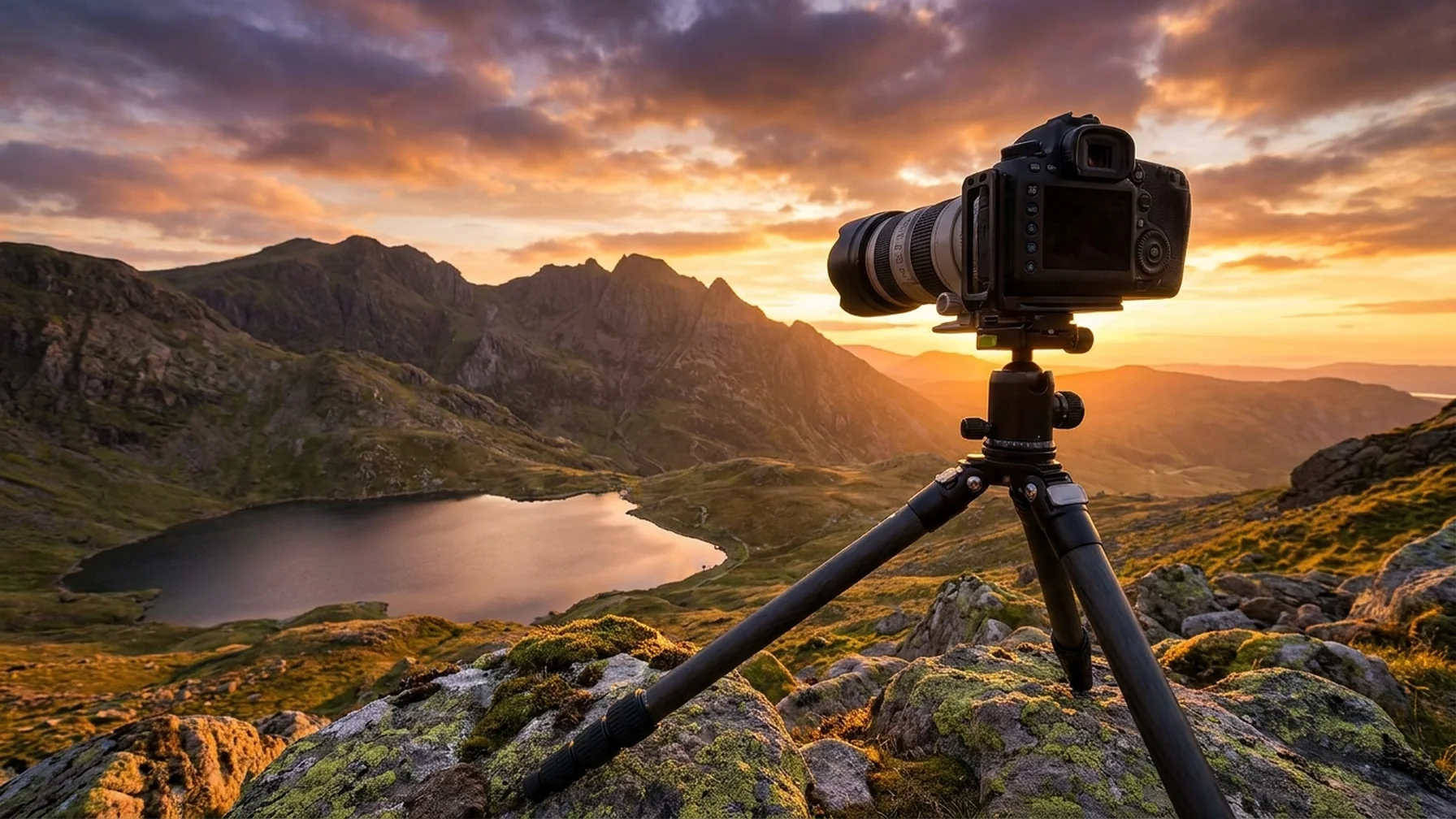
Slow travel often brings you to breathtaking landscapes and vibrant night scenes. For effective landscape photography, use a wide-angle lens to capture more of the scene. Shoot during the golden hour for soft lighting. For night photos, a tripod is essential for long exposures. Experiment with settings to capture the night sky or cityscapes. Capturing the Milky Way over a lake requires a long exposure and a high ISO, while a cityscape might benefit from a lower ISO and faster shutter speed.
Editing Your Travel Photos
Editing is an integral part of photography. Use apps like Lightroom or Snapseed to adjust exposure, contrast, and color balance. For advanced edits, Photoshop offers tools to refine images. Adjusting the white balance can correct color casts, while cropping can improve composition. Use the clone tool to remove distracting elements, focusing attention on the main subject.
Exploring Slow Travel Photography with a Phone
Many travelers rely on smartphones for photography due to their convenience. To take good photos with your phone, ensure proper lighting and use gridlines for composition. Experiment with angles and perspectives to add interest. Explore portrait mode for depth-of-field effects. For example, capturing a vendor's display head-on can highlight colors and textures, while a low angle shot can offer a fresh perspective of a monument.
Common Mistakes in Slow Travel Photography
Even experienced photographers can make mistakes. Common errors include neglecting to check camera settings, leading to overexposed or blurry images, and failing to review composition, resulting in unbalanced shots. Regularly review images and adjust settings as needed. Compose shots carefully, considering the rule of thirds and other techniques. In a busy market, stepping back and framing the scene can prevent clutter and highlight the subject.
Final Thoughts on Slow Travel Photography Techniques
Embracing slow travel photography techniques allows for deeper immersion and meaningful image capture. By choosing the right equipment, mastering camera settings, and applying composition rules, you'll be on your way to creating captivating travel photographs. Patience and practice are key. Take your time, explore surroundings, and let creativity flow. Whether capturing a serene beach or bustling city, slow travel photography invites you to connect deeply with places and tell their stories through your lens.