Mastering Travel Photo Editing: Best Practices for Stunning Results
Table of Contents
Travel photography allows you to capture the essence of your adventures and share them with the world. However, the magic truly happens in the editing process. To enhance your travel photos and make them stand out, it's essential to follow some best practices for travel photo editing. Whether you're a beginner or a seasoned photographer, these tips will help you elevate your travel photography. Effective editing can transform a simple snapshot into a stunning visual story that reflects your personal style and vision. The goal is to emphasize the beauty of the places you visit and the emotions you experience during your travels. By mastering the art of photo editing, you can enhance the impact of your images, making them more engaging and memorable for those who view them.
Understanding the Basics of Travel Photo Editing
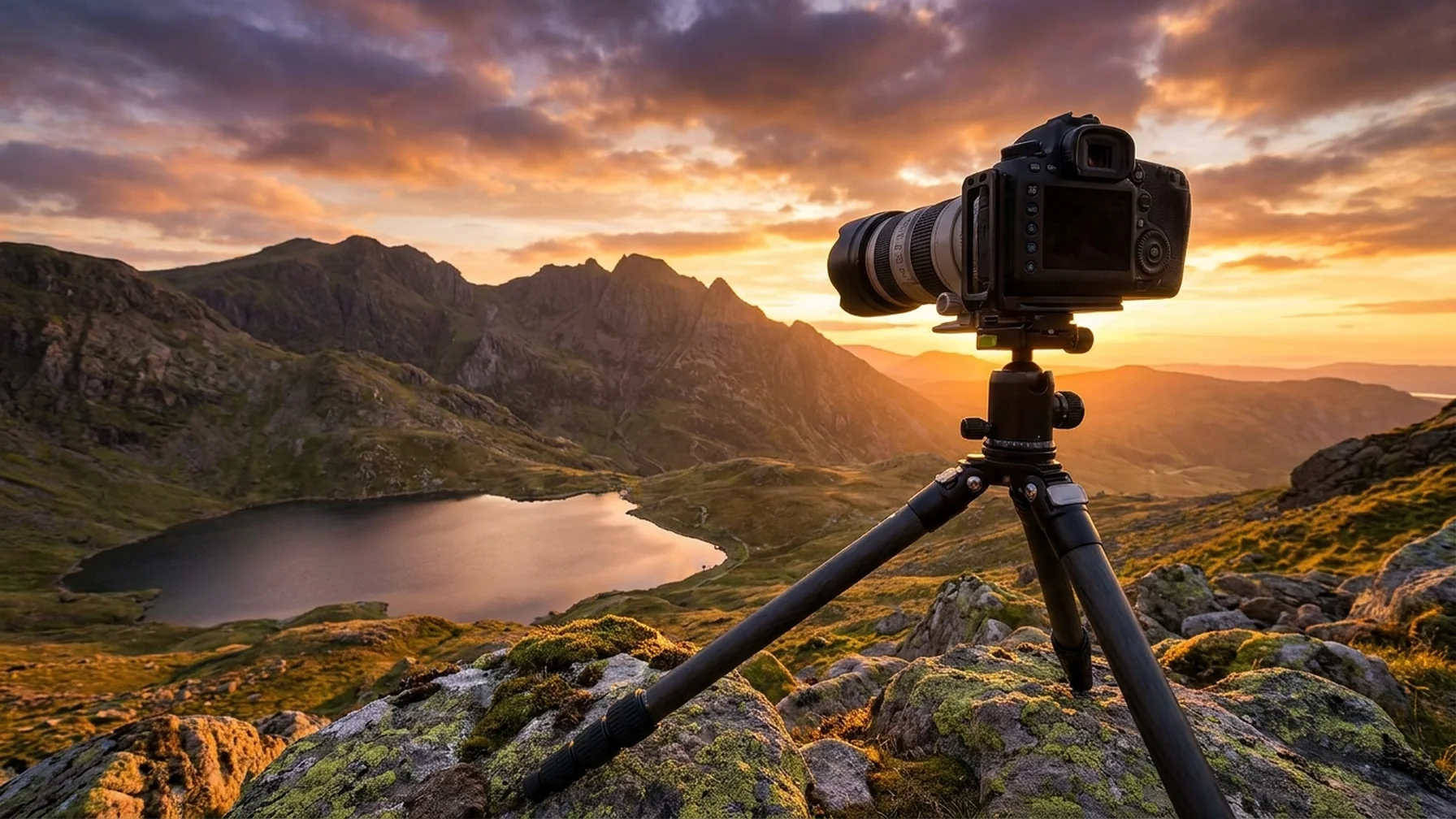
Before diving into editing, it's crucial to grasp the fundamentals of travel photography. Knowing how to take good travel photos sets the foundation for effective editing. Key aspects include choosing the best camera for travel photography, understanding camera settings like aperture, ISO, and shutter speed, and mastering composition rules. For instance, applying the rule of thirds can enhance the balance and interest in your photos. A well-composed photo is easier to edit and often requires fewer adjustments.
Choosing the Right Tools for Editing
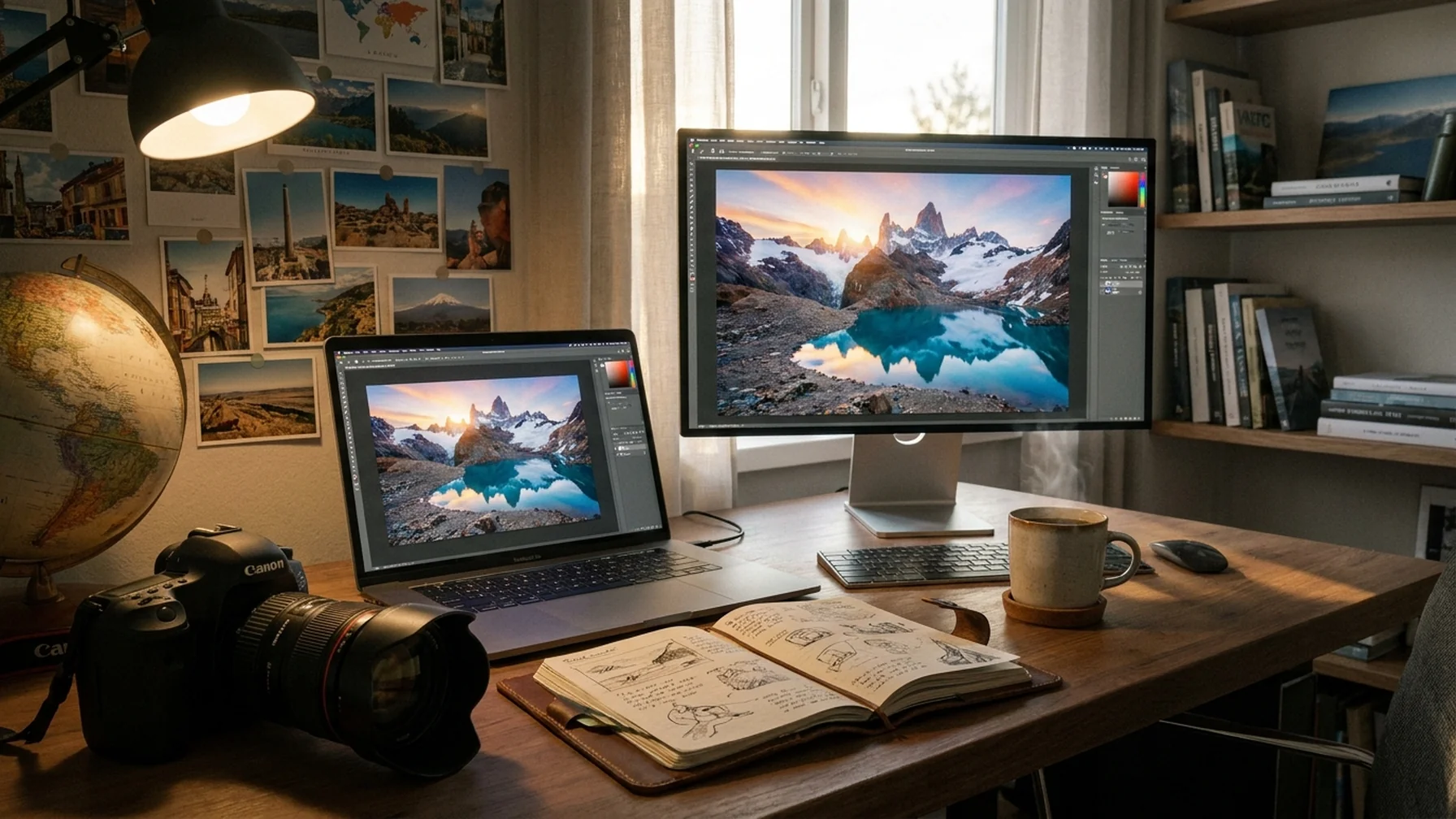
To edit your travel photos effectively, you need reliable tools. The best photo editing apps for travel offer a range of features to enhance your images. Some popular options include Adobe Lightroom, Snapseed, and VSCO. These tools provide essential functions such as adjusting exposure, contrast, and saturation, as well as more advanced features like filters and presets. For example, Adobe Lightroom is favored by professionals for its powerful editing capabilities and ability to handle RAW files, while Snapseed is a great choice for quick edits on the go. Choosing the right tool depends on your specific needs and workflow preferences.
Steps to Edit Travel Photos Like a Pro
Editing travel photos requires a step-by-step approach to ensure consistency and quality. Follow these steps to refine your images:
- Begin with Exposure: Adjust the exposure to brighten or darken your photo as needed. Proper exposure is key to highlighting details, especially in high-contrast scenes.
- Adjust Contrast: Enhance the contrast to add depth and dimension to your image. This can help your subject stand out and create a more dynamic photo.
- Fine-Tune Colors: Use the saturation and vibrance tools to make colors pop without overdoing it. Balancing colors can bring harmony to your images.
- Sharpen Your Image: Apply sharpening tools to enhance details and ensure your photos look crisp. This is particularly important for highlighting textures.
- Cropping and Composition: Crop your photo to improve composition and focus on the subject. Cropping can also help remove distractions from the edges.
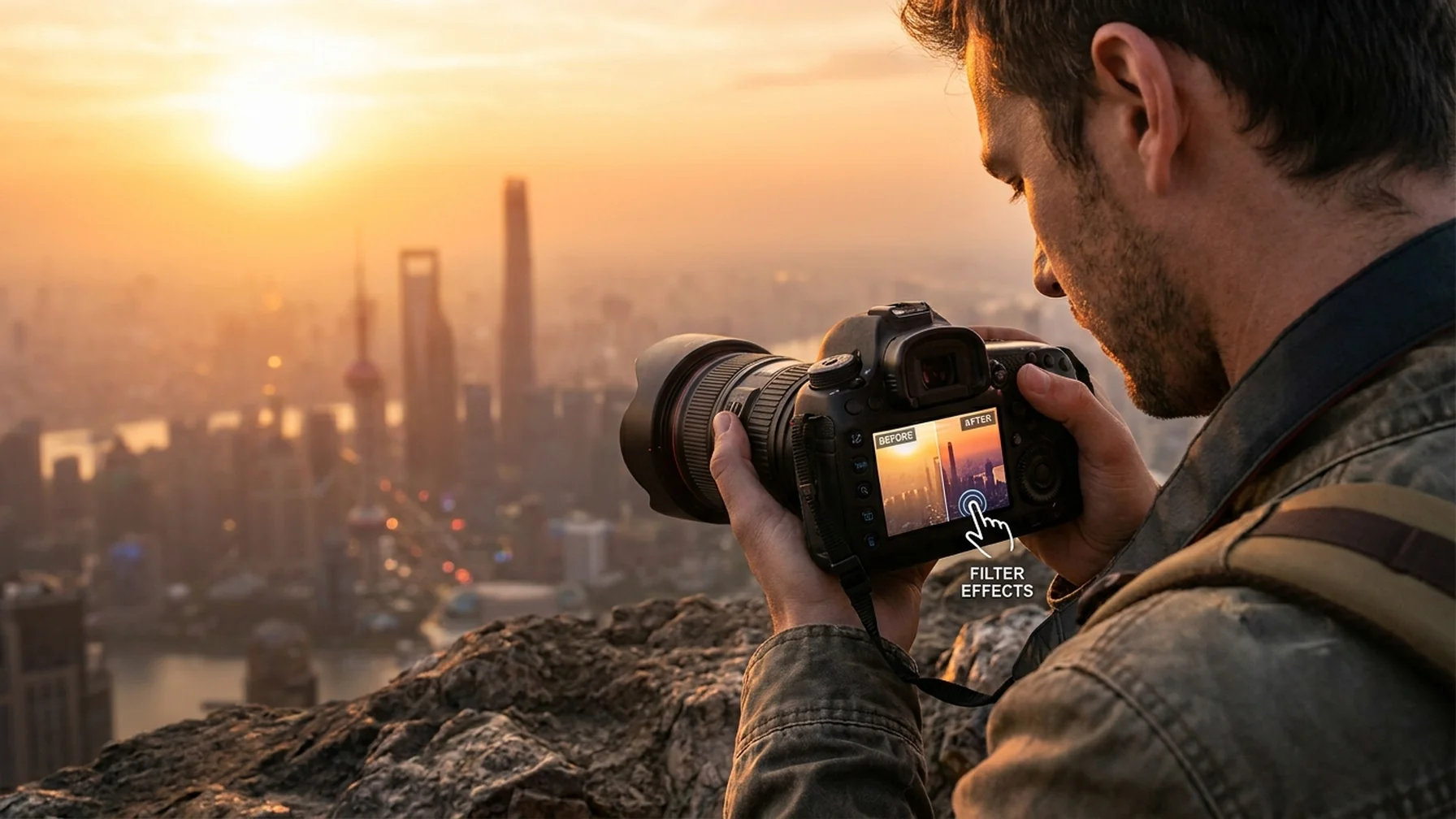
- Use Filters and Presets: Apply creative filters or presets to give your photos a consistent look. This can save time and maintain a cohesive style across your portfolio.
Following these steps will help you produce professional-looking travel photos that capture the essence of your journey. A photographer who enhanced their travel photos by following these steps reported that their images became more visually appealing, attracting a larger audience on social media.
Enhancing Landscape Photos: Special Tips
Landscape photography requires special attention during editing. To capture the beauty of landscapes, consider these tips:
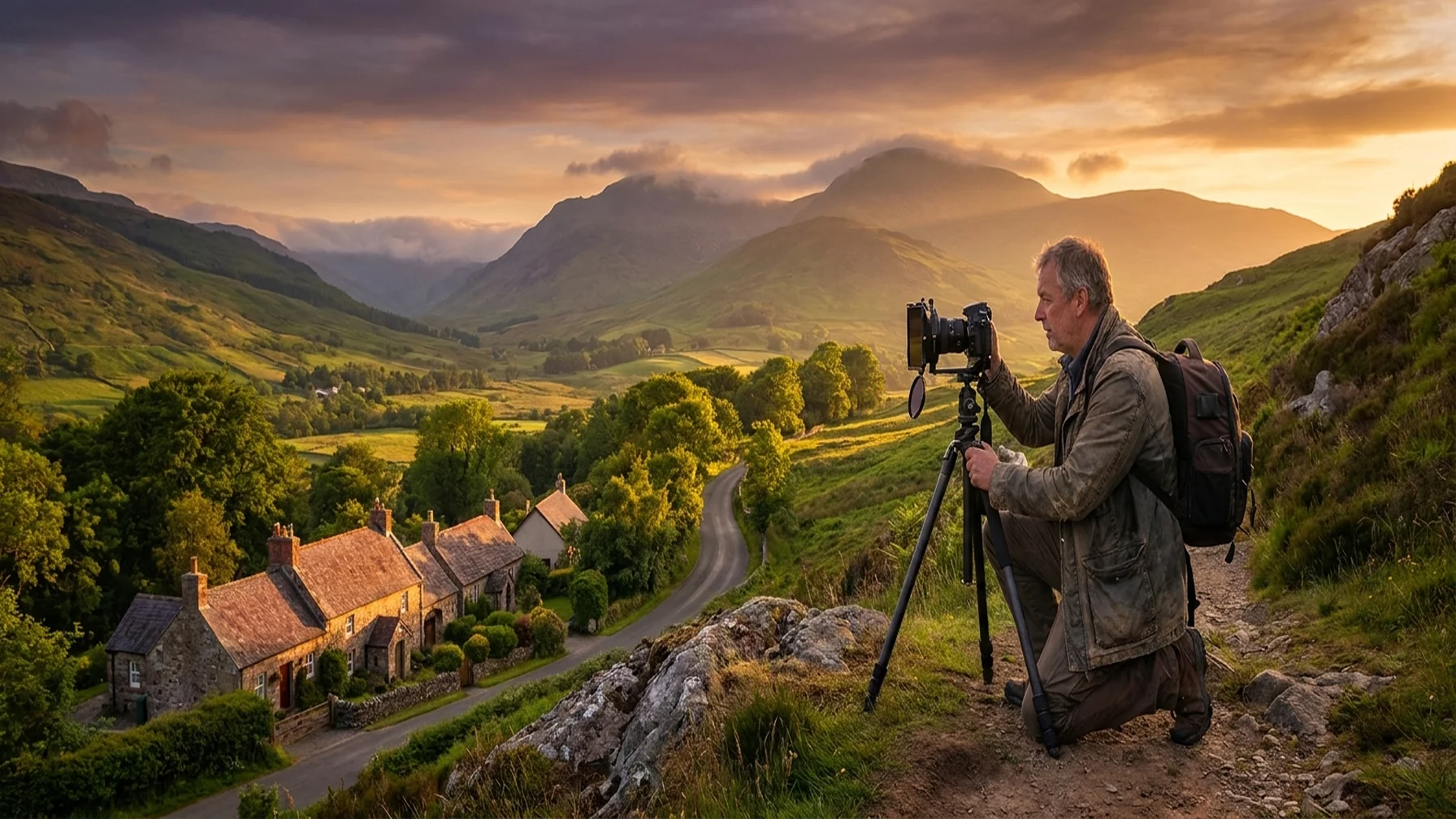
- Highlight Natural Light: Make the most of the golden hour, the period shortly after sunrise or before sunset, to achieve warm and soft lighting. This time of day can add a magical quality to your photos.
- Focus on the Sky: Use graduated filters to enhance the sky, ensuring it complements the landscape rather than overpowers it. A balanced sky can add drama to your scene.
- Maintain Detail: Avoid over-editing, which can lead to loss of detail, especially in complex landscapes. Preserving details will make your photos more realistic and engaging.
By focusing on these aspects, you can turn your landscape photos into breathtaking works of art. For example, a photographer who used these techniques to edit their landscape photos found that their images were not only more striking but also exhibited a greater sense of depth and atmosphere.
Editing Night and Low Light Travel Photos
Editing photos taken in low light or at night presents unique challenges. Here are some tips to enhance these images:
- Adjust White Balance: Correct the white balance to avoid unnatural color casts in your night photos. This adjustment can bring out the true colors of a scene.
- Reduce Noise: Use noise reduction tools to minimize graininess without losing too much detail. This helps maintain the quality of your images in low light.
- Play with Shadows: Enhance shadows to add depth and mystery to your night scenes. This can create a more captivating and moody atmosphere.
With these techniques, you can bring out the best in your night travel photos, making them as captivating as your daytime shots. A traveler who applied these tips to their night photos was able to turn ordinary cityscapes into dramatic images with vivid contrasts and rich details.
Finalizing Your Edits and Exporting
Once you've made your edits, it's time to finalize and export your photos. Ensure the resolution is high enough for your intended use, whether it's sharing online or printing. Save your edited photos in a format that preserves quality, such as JPEG or TIFF. For online sharing, consider the optimal resolution for the platform, while for prints, a higher resolution is recommended to maintain quality. This attention to detail can significantly impact the presentation of your photos.
With these best practices for travel photo editing, you're well-equipped to transform your travel photos into stunning visual stories. Whether you're capturing landscapes, night skies, or vibrant street scenes, thoughtful editing will make your images stand out and effectively convey the essence of your travels. By continuously refining your skills and experimenting with different editing techniques, you can develop a unique style that resonates with viewers and brings your travel experiences to life.