Enhance Your Travel Stories with Stunning Photographs
Table of Contents
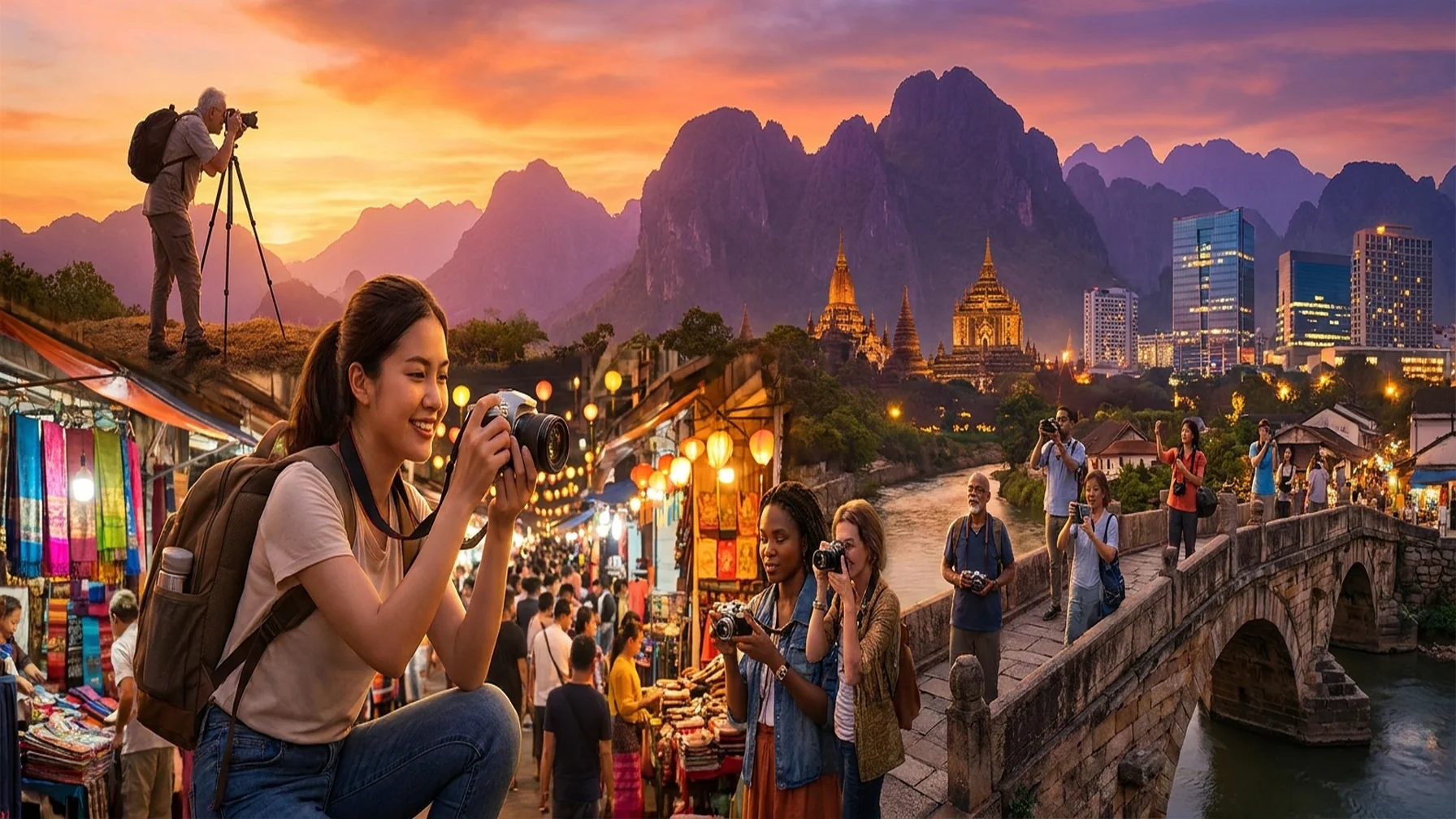
Travel photography is a captivating way to document your adventures and share your experiences with others. By combining storytelling with imagery, you can create a vivid narrative of your journey. Whether you're a beginner or an experienced photographer, mastering the art of documenting travel stories with photos can be incredibly rewarding.
Choosing the Best Camera for Travel Photography
When selecting a camera for travel photography, portability and versatility should be top priorities. Mirrorless cameras are often favored for travel due to their compact size and high quality. Some of the best mirrorless cameras for travel include models from brands like Sony, Fujifilm, and Canon, offering excellent image quality without the bulk of traditional DSLRs.
Essential Travel Photography Tips
Capturing the essence of a place requires more than just pointing and shooting. Here are some essential tips to enhance your travel photography:
- Golden Hour Photography: Take advantage of the soft, warm light during sunrise and sunset for breathtaking shots.
- Composition Rules: Use the rule of thirds, leading lines, and framing to create more engaging images.
- Using Manual Mode: Gain full control over your camera settings to adapt to different lighting conditions.
Best Camera Settings for Different Scenarios
Understanding camera settings is crucial for capturing high-quality images. Here are recommended settings for various situations:
| Scenario | ISO | Aperture | Shutter Speed |
|---|---|---|---|
| Daylight Landscapes | 100-200 | f/8-f/11 | 1/125s |
| Night Photography | 800-1600 | f/2.8-f/4 | 1/30s or slower |
| Portraits | 100-400 | f/2-f/4 | 1/60s |
| Milky Way | 1600-3200 | f/2.8 | 20-30s |
Adjusting these settings depending on the environment will help you capture the best possible images in any condition.
Travel Photography Equipment: Lenses and Accessories
The right lens can drastically impact your travel photos. A versatile zoom lens, such as a 24-70mm, is ideal for a variety of scenes. For landscapes, a wide-angle lens is perfect, while a prime lens with a low aperture is great for portraits and low-light situations. Don't forget accessories like a lightweight tripod and lens filters to enhance your shots.
Editing Your Travel Photos for Impact
Editing is a vital step in bringing your travel photos to life. Apps like Adobe Lightroom and Snapseed are excellent for enhancing colors, adjusting exposure, and adding filters. Focus on maintaining the authenticity of the scene while enhancing its visual appeal.
Photography Tips for Beginners
If you're new to photography, start by practicing the basics. Learn about aperture, ISO, and shutter speed. Experiment with different settings and angles to understand how they affect your images. Taking sharp photos involves steadying your camera, either by using a tripod or stabilizing your body. Don't be afraid to shoot in manual mode to gain more control over your images.
Capture Stunning Landscapes and Night Scenes
When photographing landscapes, focus on depth and scale. Include foreground elements to add dimension to your photos. For night photography, a tripod is essential to prevent camera shake during long exposures. Use a higher ISO and a wide aperture to capture more light. Photographing the Milky Way requires clear skies and minimal light pollution, so plan your shots accordingly.
Using Your Phone for Travel Photography
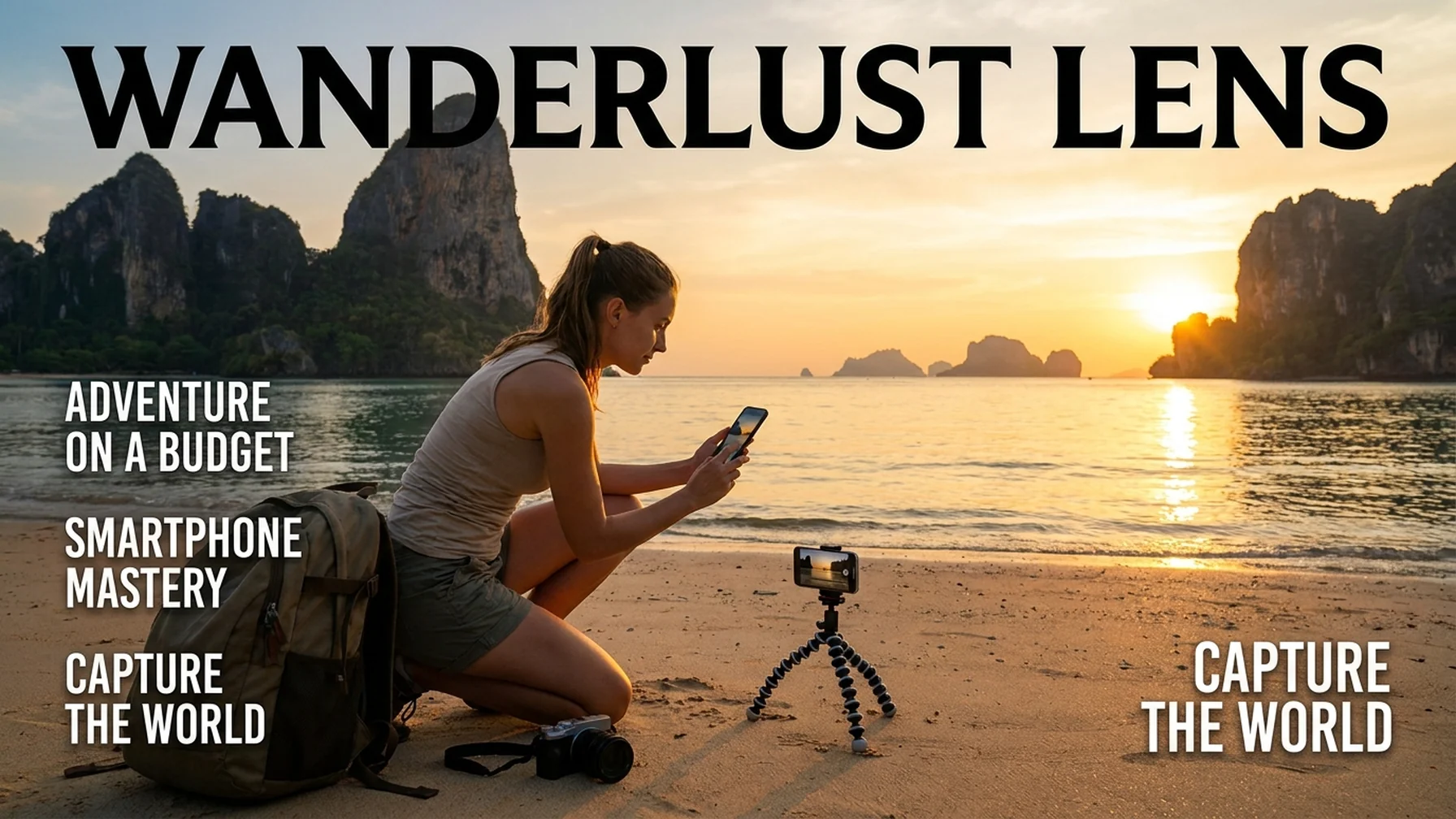
Smartphones are capable of capturing impressive travel photos. Utilize features like HDR and portrait mode. Pay attention to lighting and composition just as you would with a traditional camera. Editing apps available on smartphones can enhance your images significantly.
By understanding and applying these travel photography techniques, you can create a compelling visual story of your adventures. Whether using a professional camera or your phone, the key is to practice consistently and always be ready to capture the moment.