Documenting Solo Travel Experiences through Photography
Table of Contents
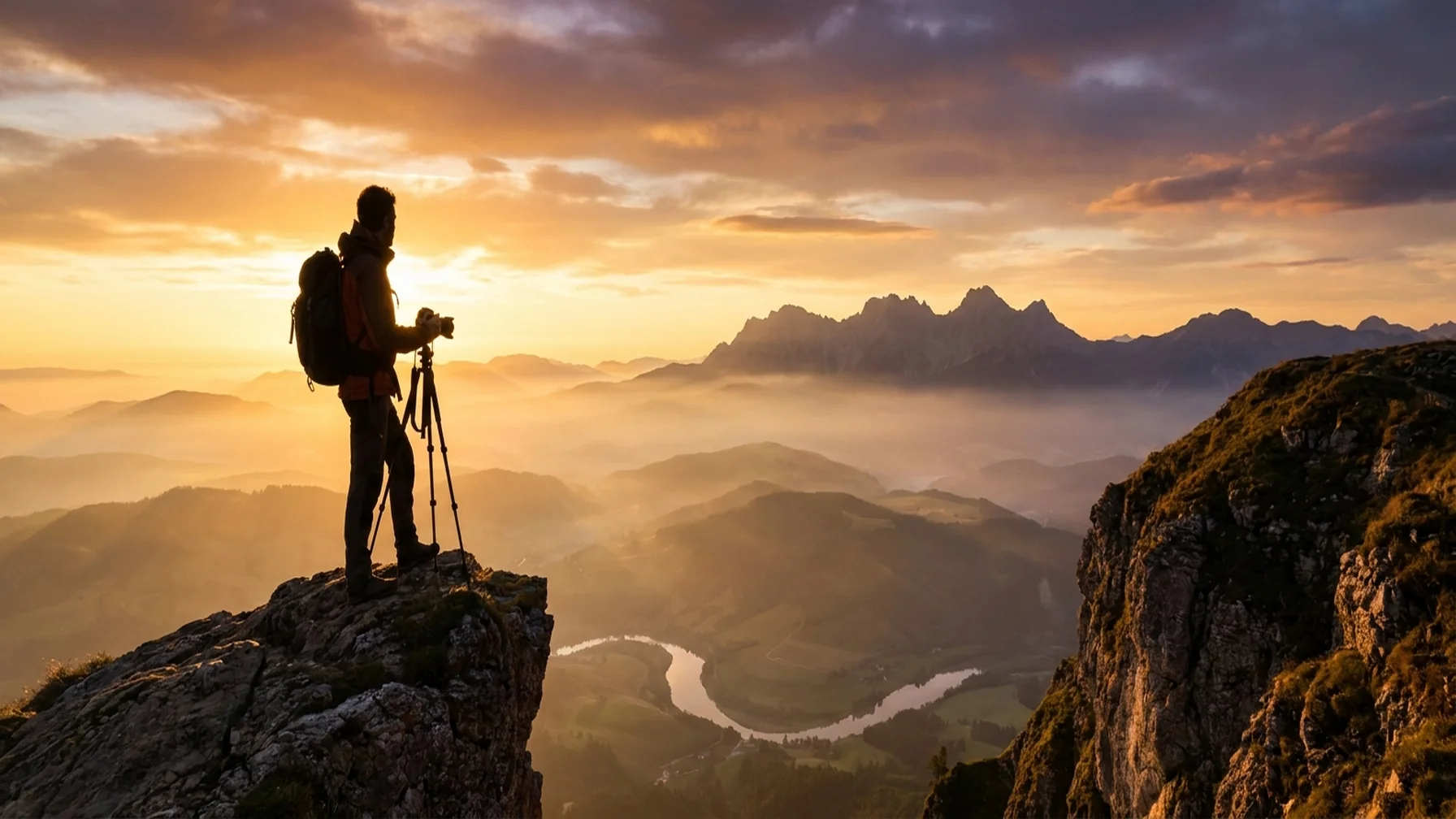
Embarking on a solo travel adventure provides a unique chance to capture the world from your own perspective. Documenting solo travel experiences through photography not only preserves memories but also allows sharing your journey with others. This guide explores essential tips and techniques to enhance your travel photography, whether you're just starting or looking to refine your skills.
Choosing the Best Camera for Travel Photography
Selecting the right camera is crucial for capturing stunning travel photos. Many travelers prefer a mirrorless camera for its lightweight design and high-quality output. These cameras offer a variety of interchangeable lenses, making them versatile for different photography styles. Popular choices include models from Sony and Fujifilm, known for their compact size and exceptional image quality.
Editing Travel Photos for Maximum Impact
Editing can elevate your travel photos to new heights. To make the most of your photos, consider using photo editing apps like Adobe Lightroom or Snapseed. These tools allow you to adjust exposure, contrast, and colors, enhancing the details that might not have been captured perfectly in-camera.
Here's a simple checklist to guide you through the editing process:
- Adjust exposure for better lighting
- Enhance contrast to make elements stand out
- Tweak colors for vibrancy
- Crop for better composition
- Apply filters for a consistent style
Below is a quick comparison of features between Adobe Lightroom and Snapseed:
Photo Editing App Features:
| Feature | Adobe Lightroom | Snapseed |
|---|---|---|
| Exposure Adjustment | Yes | Yes |
| Contrast Enhancement | Yes | Yes |
| Color Tweaking | Yes | Yes |
| Preset Filters | Yes | Yes |
| Advanced Editing Tools | Yes | Limited |
Experiment with different settings to create a style that reflects your unique vision. By following these steps and using the right tools, your travel photos will have a lasting impact.
Organizing Your Travel Documentation
When documenting your solo travel experiences, it's helpful to organize the information in a clear and concise way. Below is a table that outlines essential elements to include in your travel documentation.
| Travel Destination | Date of Travel | Highlights | Challenges |
|---|---|---|---|
| Paris, France | June 2023 | Visited the Eiffel Tower and Louvre Museum | Navigating public transport |
| Tokyo, Japan | April 2023 | Cherry blossom viewing at Ueno Park | Linguistic barriers |
| Rome, Italy | September 2023 | Explored the Colosseum | Overcrowded tourist spots |
| New York, USA | January 2023 | See a Broadway show | High accommodation costs |
This table serves as a useful reference as you plan and reflect on your solo travel journeys. By documenting destinations, dates, highlights, and challenges, you can gain valuable insights for future trips and share your experiences with others looking to explore the world alone.
Steps to Document Your Solo Travel Experiences
Documenting your solo travel experiences can enhance your journey and help you create lasting memories. Here are some essential steps to guide you through the process.
- Choose your documentation method: Decide whether you'll use a journal, blog, or social media to capture your experiences.
- Record your daily experiences: Take time each day to jot down thoughts, impressions, and insights gained from your travels.
- Include photos and mementos: Collect pictures and small keepsakes to complement your written documentation and enrich your travel narrative.
By following these steps, you can effectively document your solo adventures, turning them into a meaningful record that you can revisit and share with others in the future.
Key Aspects to Enhance Your Travel Storytelling
When documenting your solo travel experiences, there are several key aspects to consider that can enhance your storytelling and keep memories alive. Here are some important points to remember:
- Keep a travel journal to jot down daily experiences and emotions.
- Take plenty of photos to visually capture the essence of your journey.
- Reflect on personal growth and lessons learned throughout your travels.
By maintaining a record of your adventures through writing, photography, and self-reflection, you can create a rich tapestry of memories that not only recounts your travels but also showcases how they have shaped you as an individual.
Mastering Camera Settings for Travel Photography
Understanding your camera's settings can dramatically improve your travel photos. Focus on mastering aperture, shutter speed, and ISO—often referred to as the exposure triangle. The aperture controls the depth of field, crucial for landscape photography, where a higher f-stop (e.g., f/8) ensures both foreground and background are in focus. Shutter speed is vital for capturing motion, while ISO adjusts the camera's sensitivity to light, critical for low-light situations.
Essential Photography Tips for Beginners
If you're new to photography, start by familiarizing yourself with basic composition rules. The rule of thirds, leading lines, and framing can transform your images from ordinary to extraordinary. Practice using your camera's manual mode to gain full control over your shots. This practice will help you understand how different settings affect the final image.
How to Take Sharp Travel Photos
Achieving sharp photos consistently involves a few key techniques. Use a tripod to stabilize your camera, especially in low light or when using a slow shutter speed. Additionally, focus on the subject's eyes if you're photographing people, as this draws the viewer's attention. Finally, make sure to use a fast enough shutter speed to match the focal length of your lens to minimize camera shake.
Golden Hour Photography: Capturing Perfect Light
The golden hour, the period shortly after sunrise and before sunset, offers soft, warm light ideal for photography. This natural light enhances colors and textures, creating a magical quality in your images. Plan your shooting schedule around these times for breathtaking landscape shots and portraits.
The Best Lenses for Travel Photography
Your lens choice significantly impacts the quality and type of photos you can capture. A versatile zoom lens, such as a 24-70mm, is ideal for various scenes, from landscapes to portraits. For those interested in landscape photography, a wide-angle lens can capture expansive views and detail. Consider a prime lens for sharper images and better performance in low light.
How to Photograph Landscapes
Landscape photography requires careful planning and attention to detail. Use a wide-angle lens to capture the vastness of the scenery. Pay attention to the composition by including foreground elements to add depth. Experiment with different perspectives and elevations to find the most compelling view.
Capturing the Milky Way: Night Photography Tips
Photographing the Milky Way or starry skies requires specific techniques. Use a tripod to stabilize your camera and set a long exposure time. A wide aperture (e.g., f/2.8) and high ISO (e.g., 1600-3200) will help capture the faint light of the stars. Remember to scout locations away from city lights for the best results.
Using Your Phone for Travel Photography
Not everyone travels with a camera, but modern smartphones are equipped with impressive photo capabilities. Use built-in features like HDR and manual focus to enhance your images. Apps like VSCO can further enhance your photos with filters and editing tools, making them share-worthy in an instant.
Whether you're using a professional camera or a smartphone, documenting solo travel experiences through photography is about capturing the essence of your journey. With these tips, you'll be able to create stunning visual stories that resonate with you and your audience.