Mastering Mobile Photography for Travelers
Table of Contents
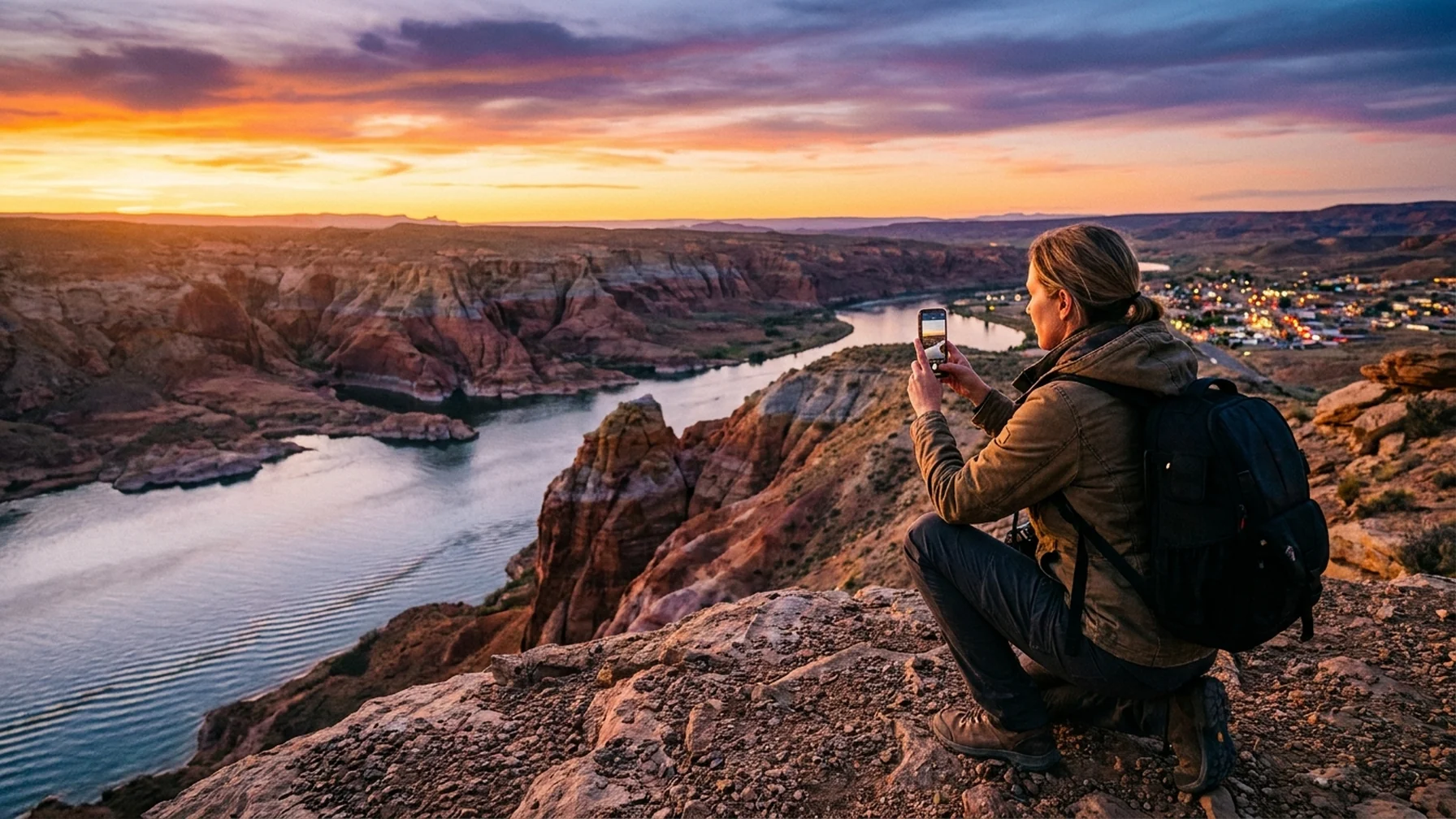
Traveling provides endless opportunities to capture stunning images that tell a story of adventure and discovery. With the rise of mobile photography, travelers can take high-quality photos without the need for bulky equipment. Modern smartphones come equipped with advanced cameras that can rival traditional setups. This guide explores essential tips and techniques for mobile photography, ensuring your travel photos are as captivating as your journey itself. Whether you're exploring bustling city streets or hiking in the serene wilderness, your mobile phone can be your best tool for preserving memories.
Choosing the Right Camera Settings
Understanding camera settings is crucial for capturing great travel photos. Here are key settings to consider:
- Aperture: Controls the depth of field. A low aperture (f/1.8) is perfect for portraits, while a higher aperture (f/8) suits landscapes.
- ISO: Adjusts the camera's sensitivity to light. Use a low ISO (100-200) in bright conditions and a higher ISO (800-1600) in low light.
- Shutter Speed: Determines how long the camera sensor is exposed to light. Fast speeds freeze motion, while slow speeds capture motion blur.
Mastering these settings will significantly enhance the quality of your travel photos. For example, capturing a majestic mountain range with a higher aperture can showcase the vastness and detail of the scene.
Essential Mobile Photography Tips for Travel
For travelers, capturing the essence of a destination with a mobile phone is both convenient and effective. Here are some tips to elevate your travel photography game:
- Use natural light whenever possible; avoid harsh midday sun.
- Get close to your subject for detailed shots.
- Experiment with angles to add interest to your photos.
- Keep your lens clean for clear, sharp images.
- Use gridlines to apply the rule of thirds for balanced compositions.
Implementing these tips will enhance the quality of your mobile photos, making them memorable and vibrant. Capturing a vibrant street market scene during the golden hour can add warmth and depth to your photos, turning an ordinary shot into an extraordinary one.
Understanding Composition Rules
Good composition can transform an ordinary photo into an extraordinary one. Here are a few rules to guide your travel photography:
- Rule of Thirds: Divide the frame into thirds and position key elements along these lines or at intersections.
- Leading Lines: Use natural lines to direct the viewer’s eye through the image.
- Symmetry: Creates visually appealing and balanced images.
By applying these composition rules, you can create more dynamic and engaging photos. Imagine capturing the symmetry of a grand architectural structure or using the lines of a winding road to lead the viewer's eye into the distance.
Golden Hour and Night Photography
Lighting plays a pivotal role in photography. The golden hour, the period just after sunrise or before sunset, provides soft, warm light that enhances photos. For night photography, use a tripod to stabilize your mobile phone and increase the exposure time to capture more light.
Experiment with different techniques to capture the beauty of landscapes and cityscapes during these times. For example, a quiet twilight shot of a serene beach can evoke tranquility, while a bustling city nightscape can convey energy and movement.
Editing Your Travel Photos
Editing can enhance your travel photos significantly. Here are some of the best apps for editing:
- Snapseed: Offers a wide range of tools and filters to adjust brightness, contrast, and more.
- VSCO: Known for its film-like presets and advanced editing tools.
- Adobe Lightroom: Provides professional-grade editing capabilities.
These apps allow you to refine your photos, bringing out the best in each image. Enhancing the colors of a sunset or adjusting the shadows in a forest scene can make your photos more impactful.
Advanced Techniques: Manual Mode and Shooting the Milky Way
For more adventurous travelers, mastering manual mode can open up creative possibilities. Adjust settings like aperture, shutter speed, and ISO for precise control over your shots. To photograph the Milky Way, find a dark location, use a wide aperture (f/2.8 or lower), a high ISO (3200 or higher), and a slow shutter speed (20-30 seconds) for best results.
Understanding these advanced techniques will allow you to capture breathtaking images of the night sky, making your travel photo collection truly diverse.
Common Mistakes and How to Avoid Them
Even seasoned travelers can make mistakes with mobile photography. Some common errors include over-editing, poor focus, and neglecting composition. To avoid over-editing, keep adjustments subtle to maintain the photo's natural look. Ensure your subject is in focus by tapping on the screen before capturing the image. Finally, always take a moment to consider composition; a well-composed photo often tells a more compelling story.
Real-World Examples of Mobile Photography Success
Many travelers have achieved stunning results with mobile photography. Consider the travel blogger who captured the vibrant streets of Tokyo using only a smartphone, focusing on vivid colors and unique angles to showcase the city's energy. Another example is the nature enthusiast who used their mobile phone to document a trek through the Amazon rainforest, capturing the diverse wildlife and lush greenery in striking detail.
These examples illustrate the power of mobile photography to create memorable travel experiences.
Conclusion: Embrace the Journey with Your Mobile Camera
Mobile photography for travelers is not just about capturing scenes but also about preserving memories. By honing your skills and experimenting with different settings and compositions, you can create a stunning visual narrative of your travels. So grab your mobile phone, explore new destinations, and let your creativity shine through every click. Whether you're capturing the vibrant life of a city or the tranquil beauty of nature, your mobile camera is a versatile tool for storytelling.